
Methylene Blue Explained A Deep Dive into the “Magic Bullet”
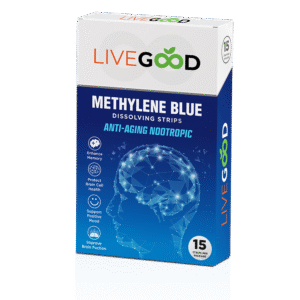
Methylene Blue (MB) has existed since 1876, but in the last two years, it has surged into the spotlight, gaining traction among high-end physicians and prominent health leaders. Recently discussed in the video “Methylene Blue Explained – What you need to know with Dr. Ryan,” this product is celebrated for its powerful and diverse utility, ranging from enhancing cognitive function to supporting cellular energy.
A History of Utility
Originally developed as a textile dye, Methylene Blue was later used for staining microbiology slides. Researchers soon noted its ability to kill viruses and some bacteria, leading to its use as a potent antimalarial drug. MB remains a vital medicine today; the World Health Organization considers it an essential medicine and a “Magic Bullet”. It is also the first line of treatment for conditions like Methemoglobinemia. Due to its wide-ranging benefits, longevity pioneers and anti-aging specialists are increasingly adopting MB therapy.
The Core Science: Mitochondria and Energy
The primary mechanism behind Methylene Blue’s effectiveness lies in its action within the mitochondria, often called the “Powerhouse of the cell”. The cell relies on mitochondria to carry out its functions by transferring energy. For optimal health, the electron transport chain within the mitochondria must operate very efficiently, though this efficiency naturally declines with age.
Methylene Blue is unique because it is a redox agent, meaning it participates in both reduction and oxidation reactions, acting as both an electron donor and a recycler/receiver.
- Energy Input: MB can donate electrons and feed or optimize the energy cycle.
- Antioxidant Action: MB acts as a potent antioxidant, cleaning up cellular waste that results from aerobic respiration.
This “cellular waste” consists of free radicals and reactive oxygen species (oxidants). While these are normal byproducts of everyday life and exercise, when left unchecked and allowed to accumulate to high levels, they can cause irreversible damage to DNA, proteins, and lipids. This damage is the starting point for diseases, including neurodegenerative conditions and cancer.
Benefits for Brain Health and Cognition
The brain is highly concentrated with mitochondria, making MB crucial for cognitive function. Although the brain is only about 2% of body weight, it consumes approximately 20% of the body’s energy.
Methylene Blue readily passes the blood-brain barrier because it is a very small molecule with both fat-loving and water-loving properties. Once past the barrier, it can highly concentrate in the brain’s mitochondria, driving interest in its study for brain health.
MB shows particular promise for neurodegenerative diseases like Parkinson’s and Alzheimer’s. Furthermore, MB supports mental health by increasing neurotransmitters such as serotonin, dopamine, and norepinephrine. It achieves this by acting as a monoamine oxidase inhibitor (MAOI), slowing the breakdown of these neurotransmitters.
Testimonials reflect these cognitive benefits, reporting:
- A noticeable bump in cognition.
- A sense of focus and feeling “plugged in”.
- Help with brain fog and fatigue.
- Significant improvement in mental health, allowing some users to decrease or even eliminate their use of SSRI medications.
Other Promising Applications
Beyond the brain, MB has shown benefits in several other health areas:
- Non-Alcoholic Fatty Liver Disease (NAFLD): MB’s ability to combat excess fat accumulation in the liver is a promising aspect. Studies indicate that MB activates AMPK, an enzyme that serves as a metabolic master switch, leading to decreased fat production and increased fat burning in the liver.
- UTI Treatment: MB is highly effective against urinary tract infections (UTIs). It is excreted via the kidneys into the bladder, reaching a high concentration where it becomes a potent oxidant stress that can kill virtually any pathogen without disrupting the microbiome.
- Exercise and Endurance: Athletes can use MB to increase output and support endurance.
- Detoxification: MB is an important part of the detoxification pathway, as it supports mitochondrial function and acts as an antioxidant in high-energy demand centers like the liver.
Dosage, Administration, and Purity
Dosing: The product discussed is a 20 milligram oral dose in a film format. This is considered the low end of oral dosing (which typically ranges from 20 to 60 milligrams) and is highly efficacious. High doses, often administered intravenously, carry higher risks than the low oral dose.
Administration:
- Timing: MB is generally best taken in the morning on an empty stomach, which supports fasting protocols and can increase cell turnover (autophagy). Athletes can take it 30 minutes before intense activity.
- Enhancement: The effects of MB can be enhanced through photobiomodulation. Taking MB 30–60 minutes prior to exposure to sunlight, red light therapy, or sauna use is recommended.
- Cycling: Cycling (e.g., every other day, or a week on/week off) is a good practice for preventative measures. However, individuals who are metabolically dysfunctional or experiencing conditions like depression or anxiety may need to take it daily, as MB does not build up or become toxic.
- Staining: MB is known to stain the mouth, teeth, gums, and tongue bright blue. For the highest absorption, the film should dissolve sublingually or buccally. To avoid staining, the film can be dissolved in four ounces of water and consumed quickly, often using a straw.
Purity and Safety:
- Quality: Due to concerns about heavy metal contamination, it is essential that Methylene Blue be United States Pharmacopeia (USP) grade. Non-USP products are often industrial grade and highly contaminated.
- Dosing Accuracy: Films are recommended over liquid droppers, as dropper calibrations can be difficult, making it hard to know the exact milligram dosage.
- Contraindications/Interactions: MB is contraindicated during pregnancy or breastfeeding, and should be avoided by individuals with a G6PD deficiency. While MB acts as an MAOI, the 20 mg oral dose has been shown to be effective and safe. However, individuals on SSRIs, SNRIs, or other MAOIs should communicate with their physician before starting MB.